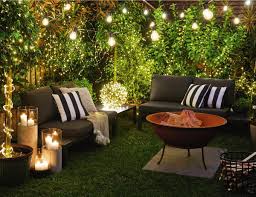
There is a special kind of magic that happens in a garden after dark. The harsh lines of the day soften. Shadows dance in unexpected ways. Flowers that seemed ordinary in sunlight take on a mysterious beauty. And the best part? You do not need to be a lighting expert or spend a fortune to create this effect. Solar lights make it possible for anyone to transform their outdoor space into an evening retreat.
If you have been thinking about adding solar lights to your garden but feel uncertain about where to start, this guide is for you. We will walk through everything you need to know in plain, simple language. By the end, you will feel ready to visit Bunnings and choose the perfect lights for your home.
Why Solar Lights Are Worth Your Attention
Solar lights have become incredibly popular for good reasons. They are easy to install, cost nothing to run, and work automatically. There are no wires to hide, no trenches to dig, and no electricians to call. You simply place the light where you want it and let the sun do the rest.
The cost savings are significant. Once you buy your solar lights, they will not add a single cent to your electricity bill. They draw all their power from the sun, which means free lighting for years to come. This makes them a smart investment for anyone looking to brighten their garden without increasing household expenses.
There is also the environmental benefit. Every solar light you install reduces your reliance on grid electricity. It is a small change, but when many people make it, the collective impact is meaningful. Knowing your garden lights are powered by clean, renewable energy adds a layer of satisfaction to enjoying your outdoor space.
How Solar Lights Work
Solar lights operate on a simple and reliable cycle. Understanding this cycle helps you choose the right lights and use them effectively.
During the day, the solar panel on top of the light absorbs sunlight and converts it into electrical energy. This energy flows into a rechargeable battery stored inside the fixture. The battery holds this energy until it is needed.
When evening comes, a light sensor detects the fading daylight and automatically turns the light on. The stored energy in the battery powers the LED bulb, providing illumination throughout the night. When morning arrives, the sensor detects the returning light and switches the light off, allowing the battery to recharge.
This cycle repeats every day without any input from you. The LED bulb is the key to making this work. LEDs are incredibly efficient, producing plenty of light while using very little power. This means the battery can run the light for hours without
needing a large capacity.
What to Consider When Shopping at Bunnings
Bunnings offers a huge range of solar lights. Knowing what to look for helps you choose the right ones for your needs.
Solar Panel Size and Quality
The solar panel is the engine of your light. A larger panel captures more sunlight, which means more energy for your battery. This is especially important on cloudy days or during winter when sunlight is weaker.
Quality also matters. Monocrystalline panels are more efficient than polycrystalline panels. They convert a higher percentage of sunlight into electricity. While you may not always see this information on the packaging, products with higher price points often use better panels.
Battery Capacity
The battery stores the energy your light needs to run at night. Larger batteries store more energy and provide longer run times. Battery capacity is measured in milliamp hours. Higher numbers mean more storedpower.
Lithium-ion batteries are now the standard for quality solar lights. They hold their charge better and last longer than older battery types. They also perform better in temperature variations, which is important for Australian gardens.
Brightness and Lumens
Brightness is measured in lumens. This tells you how much light the bulb actually produces. Understanding lumens helps you choose the right light for the right purpose.
For decorative lighting, lower lumens create a soft, gentle glow. These lights are perfect for creating atmosphere in seating areas or along garden edges. For pathway lighting, medium lumens provide enough light to see clearly where you are walking. For security lighting, higher lumens illuminate larger areas and provide better visibility.
Durability and Weather Protection
Your solar lights will face sun, rain, wind, and sometimes hail. Quality construction helps them survive these conditions and last for years.
Look for lights with metal components rather than cheap plastics. Aluminium and stainless steel resist rust and corrosion. The finish should be smooth and even without rough edges or signs of poor workmanship.
The IP rating tells you how well the light is sealed against dust and water. IP44 is the minimum for outdoor use, offering protection against splashing water. IP65 or IP67 provide superior protection and are worth considering for exposed locations.
Types of Solar Lights Available at Bunnings
Bunnings carries several types of solar lights, each designed for specific uses. Knowing the options helps you create a complete lighting scheme.
Decorative Lights
Decorative lights are all about creating atmosphere. String lights and fairy lights are perfect for draping over trees, pergolas, or fences. They add a warm, inviting glow that transforms any outdoor space into a cosy retreat.
Many decorative lights feature multiple lighting modes. You can choose steady glow for a calm atmosphere or twinkling for a more festive feel. The memory function remembers your last setting, so you do not have to reset it every night.
Pathway Lights
Pathway lights serve a practical purpose. They line walkways and driveways, making navigation safe and easy after dark. These lights provide steady, consistent illumination that clearly defines the path.
Pathway lights typically sit on spikes that push directly into the ground. They are easy to install and can be spaced evenly to create a continuous line of light. Some models feature adjustable heads that let you direct the beam where you need it most.
Motion Sensor Lights
Motion sensor lights are designed for security. They remain off to conserve battery power until they detect movement. When triggered, they burst into bright light, illuminating a wide area and alerting you to activity.
The detection range and angle are important considerations. Wider coverage means fewer lights needed to protect an area. Some models allow you to adjust sensitivity and the duration the light stays on after activation.
Spotlights
Spotlights are used to highlight specific features in your garden. A beautiful tree, a water feature, or an interesting piece of garden art all benefit from focused illumination.
Spotlights produce a concentrated beam that draws attention exactly where you want it. Adjustable heads let you direct the light at different angles, creating dramatic effects with shadows and highlights.
Installation and Maintenance Tips
Getting the best performance from your solar lights requires a little attention to detail. Here are some practical tips.
Choose Sunny Locations
Solar lights need direct sunlight to charge effectively. A light placed in the shade will never perform well, regardless of its quality. Before installing, observe your garden and identify the spots that receive the most sunlight. These are your prime locations.
Remember that the sun's path changes with the seasons. A spot that is sunny in summer may be shaded in winter. Choosing locations with year-round sun exposure gives you the most consistent performance.
Let Them Charge First
New solar lights need time to reach their full potential. Let them charge for a full day or two before expecting them to work through the night. This initial charge conditions the battery and ensures optimal performance.
Keep Panels Clean
Dust and dirt can block sunlight and reduce charging efficiency. Wipe the solar panels with a soft, damp cloth every few weeks. This simple habit can significantly extend the life of your lights.
Replace Batteries When Needed
All rechargeable batteries degrade over time. After two or three years, you may notice your lights becoming dimmer or not lasting as long. Replacing the batteries is an inexpensive fix that gives your lights a new lease on life.
Final Thoughts
Solar lighting is one of the easiest and most rewarding ways to enhance your garden. It is affordable, environmentally friendly, and remarkably simple to set up. With the knowledge from this guide, you can visit Bunnings with confidence and choose the perfect lights for your outdoor space.
Your garden is a living space that changes with the seasons. Your lighting should evolve too. Do not be afraid to experiment with different types of lights and placements. The flexibility of solar lighting means you can adjust your scheme as your garden grows and your needs change.
The sun provides the power, and you provide the vision. Together, they will transform your outdoor space into a beautiful, welcoming sanctuary that you can enjoy long after the sun goes down.